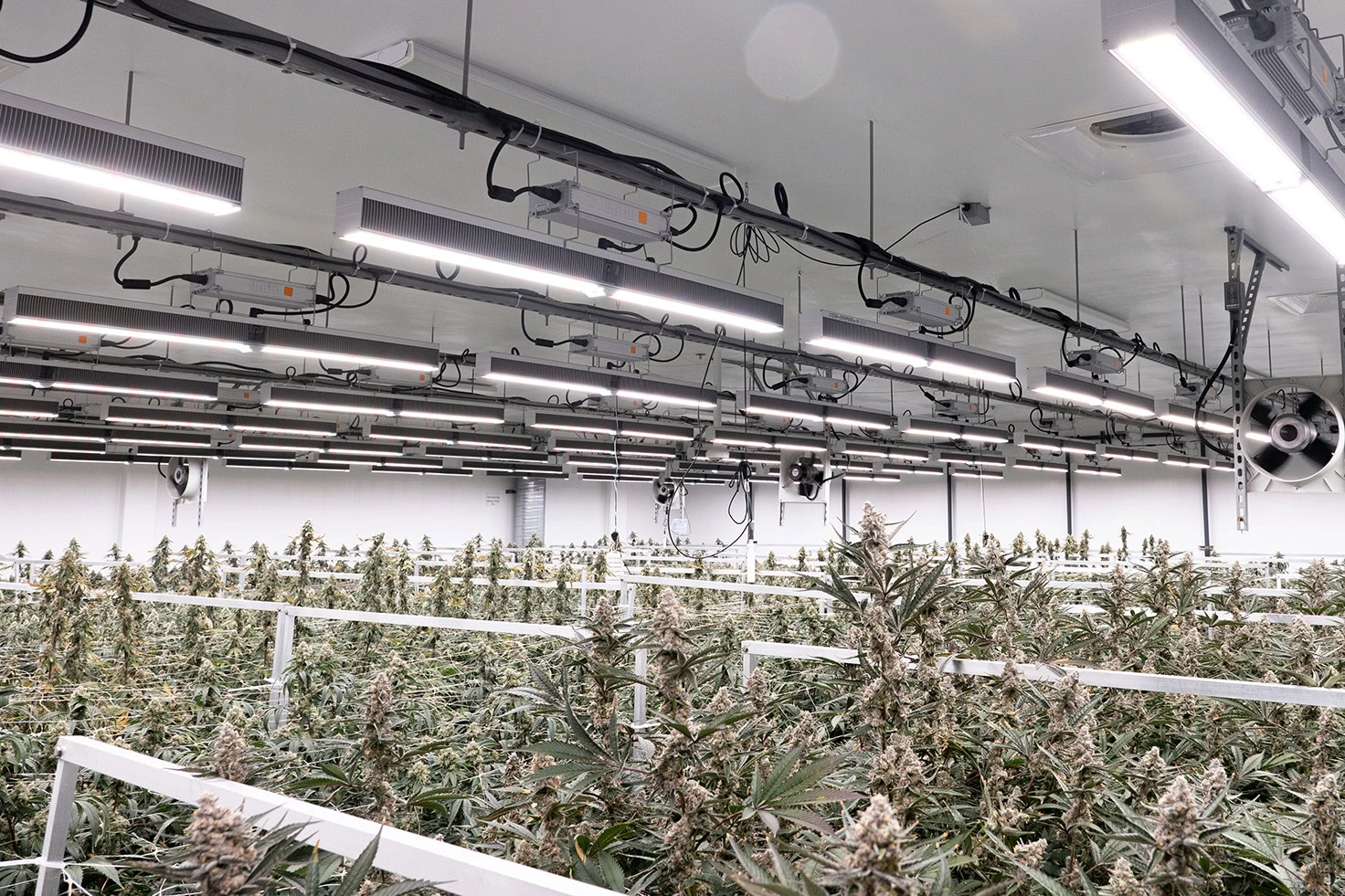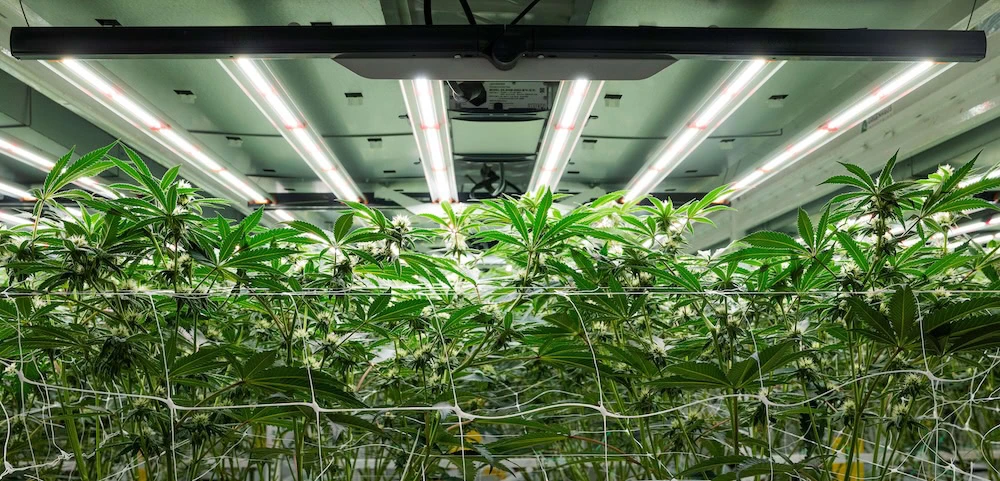
Como alguien que ha pasado más de dos décadas en la industria del cultivo de cannabis, he visto a innumerables nuevos cultivadores cometer los mismos errores críticos que pueden descarrilar toda su operación. Estos son los cinco principales errores que debes evitar:
- Ceguera normativa: Ignorar el panorama del cumplimiento normativo
The number one killer of cannabis businesses is regulatory ignorance. I cannot stress this enough: if you’re not legal, you’re done. Each market has its own complex regulatory framework that dictates everything from how much you can grow to how you design your facility. Failing to deeply understand these regulations can lead to devastating consequences like fines, shutdowns, and complete business failure.
My advice? Either become an expert in regulatory compliance yourself or hire a legal advisor who understands the cannabis industry inside and out. The regulatory guidelines aren’t just bureaucratic red tape – they’re your roadmap for what’s possible in your specific market. Every state, every jurisdiction is different, and what works in California won’t necessarily work in Connecticut.
- Miopía financiera: Subestimación de costes y previsiones
New growers consistently underestimate the financial complexity of this industry. They create budgets that look great on paper but crumble in reality. My golden rule? Be conservative in your projections. If your conservative estimates work, any additional profit is a bonus.
The unexpected costs will kill you – compliance fees, equipment upgrades, regulatory changes that require new fire suppression systems, timeline delays. I’ve seen million-dollar facilities become abandoned projects because entrepreneurs didn’t account for these variables. Don’t just budget for what you know; create contingency plans for what you don’t.
Avoid overspending on unnecessary luxuries. That cool logo rug for your clone room might look great, but it doesn’t generate revenue. Focus on equipment and investments that directly optimize your performance and maximize revenue per square foot.
- Ingenuidad operativa: Simplificación excesiva de la gestión de instalaciones
Cannabis cultivation is exponentially more complex than most new growers realize. It’s not just about growing plants – it’s about managing intricate systems, people, and processes. You’re essentially running a sophisticated manufacturing operation.
Key considerations include:
- Elegir sistemas compatibles que se comuniquen eficazmente
- Selección de equipos de alta eficiencia
- Comprender la interacción matizada entre los distintos componentes operativos
Por ejemplo, el sistema de calefacción, ventilación y aire acondicionado debe soportar realmente la carga térmica de los sistemas de riego e iluminación, y no limitarse a cumplir un requisito básico de BTU. Desconfíe de los trucos de marketing sobre la eficacia de los equipos: las cifras deben traducirse en un rendimiento real de la planta.
- Mala gestión del talento: Contratar sin visión estratégica
Staffing is where many operations fall apart. It’s not about finding people who know how to grow cannabis – it’s about finding adaptable team members who can learn, grow, and align with your specific operational model.
Avoid these hiring pitfalls:
- No se limite a contratar a cultivadores experimentados que se han quedado anticuados.
- No formar al personal para funciones únicas y aisladas
- Dar prioridad a la capacidad de las personas para aprender, adaptarse y asumir responsabilidades.
Los equipos con más éxito son multifuncionales, con miembros de diversas procedencias que entienden el cultivo de cannabis, la estrategia empresarial y la producción comercial. Mira más allá de la burbuja del cannabis: a veces los mejores conocimientos proceden de profesionales de sectores afines.
- Pensamiento de flujo único: Limitar el potencial de ingresos
The most innovative cannabis businesses don’t just focus on flower or extract production. They create multiple revenue streams. Look at successful brands like Cookies, which expanded beyond cannabis into clothing and lifestyle branding.
Consider:
- Desarrollo de múltiples líneas de productos
- Explorar las oportunidades de la marca blanca
- Crear extensiones de marca
- Ofrecer servicios de gestión de instalaciones
El objetivo es explorar continuamente cómo puede generar más ingresos a partir de sus activos y conocimientos existentes. No se limite a preguntar: "¿Cuánta flor podemos producir?". Pregunte: "¿Cómo podemos maximizar nuestro potencial de negocio?".
Reflexiones finales
The cannabis industry rewards adaptability, strategic thinking, and continuous learning. These mistakes aren’t just theoretical – I’ve seen them destroy promising businesses. By understanding these pitfalls, you’re already ahead of most new entrants.
Remember, success isn’t about having the most advanced technology or the largest grow operation. It’s about smart, strategic implementation that prioritizes efficiency, compliance, and dynamic revenue generation.
Casey Rivero
Especialista en servicios de horticultura
Casey Rivero is a seasoned cannabis industry professional with over 20 years of experience, known for his work in developing efficient and sustainable cultivation models with established companies across multiple states. Casey combines a deep understanding of business drivers with expertise in facility design, operational efficiency, and commercial solutions. His hands-on approach to business planning and facility implementation has made him an influential figure in the industry, continuously advancing new methodologies and scientific insights.
With an extensive background in botany and horticulture, Casey has collaborated with leading manufacturers in lighting, nutrients, soil, software, and HVAC systems, designing studies to enhance product performance and optimize cultivation outcomes. Passionate about education, Casey regularly leads workshops and presents at conferences worldwide.