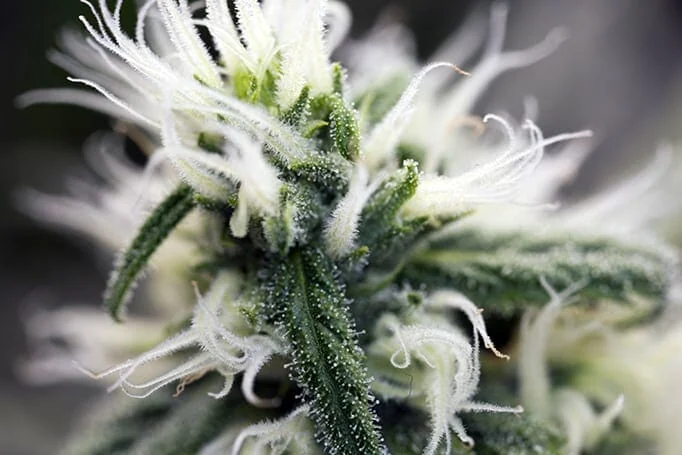
Zu den Trichomen, die er auf der Super Silver Haze gesehen hat, sagt Leech: "Die Trichomenentwicklung ist insgesamt stark, da wir überwiegend kapitatgestielte Trichome und dichte Formationen sehen."
Trichome sind winzige, harzproduzierende, haarähnliche Auswüchse, die aus der Oberfläche von Pflanzen herausragen. Wenn man das bei einer Dinnerparty erwähnt, erntet man – je nachdem, mit wem man gerade zusammen ist – möglicherweise einige verwirrte Blicke. Wäre jedoch einer der Gäste der Fluence-Berater Ryley Leech, würde er sofort mit einem Dutzend faszinierender Fakten über diese winzigen Spindeln loslegen.
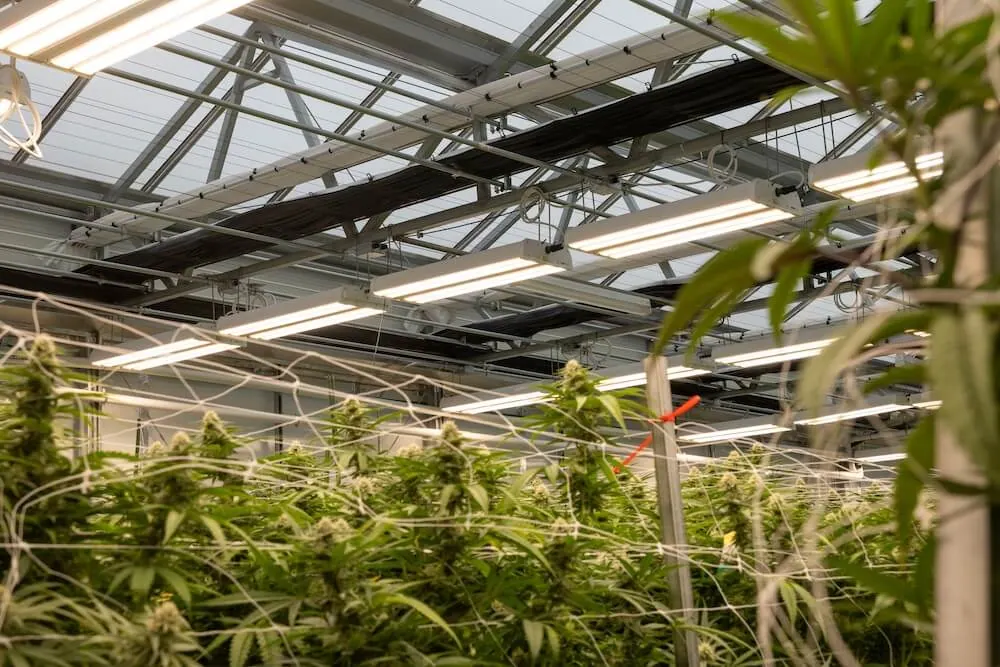
Leech hat kürzlich sein trichombegeistertes Gehirn – und seine Kamera; sehen Sie sich die wunderschönen Bilder an, die diesen Artikel begleiten – für eine Analyse verschiedener Cannabis-Genetiken eingesetzt, die in einer kontrollierten Umgebung in Südkalifornien angebaut werden. Als einer der ersten Kunden von Fluence SPYDRx PLUS sich dem 47. Tag der Blüte näherte und eine ungewöhnlich frühe Reifung der Trichome beobachtete, wurde Leech hinzugezogen, um die Entwicklung und die spektralen Auswirkungen im Vergleich zu früheren Zyklen unter Natriumdampf-Hochdrucklampen (HPS) zu analysieren.
Hier, an der Blackberry Kush, sehen wir sowohl Trichome mit Anthocyanen als auch neu gebildete, orangefarbene Trichome.
Als er sich näher mit diesen kalifornischen Cannabispflanzen befasste, war eine der interessantesten Entdeckungen, die Ryley machte, dass die Trichome alle ungewöhnlich einheitlich waren. „Bei Sorten, die unter HPS-Lampen angebaut werden, sehe ich normalerweise viele Unregelmäßigkeiten sowie schlaksige, spindelförmige Trichome“, sagt er. Stattdessen sah er hier eine überraschend hohe Anzahl an kopfartigen Stielen und dichten Formationen – sehr gute Zeichen, wie er sagt.
In dieser Einrichtung sah er sich verschiedene Sorten an, darunter Super Silver Haze, THC Bomb, J1, Blackberry Kush und Dr. Who.

„Alle Stämme wiesen durchweg gleichmäßige, kugelförmige Stiele auf“, sagt Leech. „Diese Trichome haben eine schöne Struktur und zeigen keine Anzeichen von Schwäche.“
Leech legt Wert auf eine gleichmäßige Trichombildung, denn ohne einheitliche Stiele oder Köpfe verlieren die Trichome an Wirksamkeit, sagt er. „Die Gleichmäßigkeit, die ich hier sehe, deutet auf eine höhere Wirksamkeit hin“, fügt Leech hinzu, der einen Großteil seiner Karriere damit verbracht hat, sich auf medizinische Cannabissorten zur Behandlung von Krampfanfällen bei Kindern zu konzentrieren. „Ich achte sehr genau auf die Trichom-Produktion, da ich gelernt habe, dass Trichom-Typen eine wichtige Rolle bei der Entwicklung von Medikamenten für verschiedene Erkrankungen spielen.“ Und dann ist da natürlich noch die Sache mit dem THC.
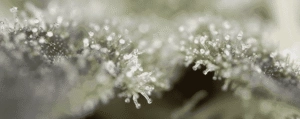
Leech ist beeindruckt von der Trichombildung, die er bei THC Bomb gesehen hat. "Großartig aussehende Blüten und Trichom-Produktion. Die meisten haben eine perfekte Struktur", sagt er.
Leech sagt, dass er drei Faktoren berücksichtigt, wenn er die Trichombildung analysiert:
- Verfügbarkeit von Nährstoffen
- Genetik
- Qualität des Lichts
Leech untersuchte diese Kriterien bei der Analyse des kalifornischen Anbaus sorgfältig. Die von ihm untersuchten Pflanzen wurden nach der Methode der lebenden organischen Erde angebaut und nur mit Wasser und Komposttees versorgt. "Ich bin der Meinung, dass diese Methode aufgrund der komplexen Rhizosphäre die größte Nährstoffbewegung ermöglicht und außerdem eine große Bandbreite an Genetik in einem ähnlichen Boden und mit demselben Wasser/Tee angebaut werden kann", sagt Leech.
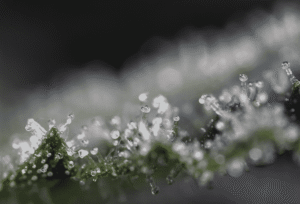
Trichombildung an J1 am 47. Tag: Starke kapitatgestielte Trichome und Einheitlichkeit.
Der zweite Faktor, den er bei der Bewertung der Trichomentwicklung berücksichtigt, betrifft geografische Regionen und Abstammungslinien. Bestimmte genetische Varianten – aus bestimmten Teilen der Welt – verhalten sich vorhersehbar, sagt er. Und aufgrund seiner langjährigen Erfahrung kann er bei bestimmten Anbauszenarien, wie beispielsweise beim Anbau im Freien oder unter typischen HPS-Lampen, mit bestimmten Ergebnissen rechnen.
Was die Lichtqualität angeht, so sagt Leech, sei bisher noch nicht viel über die tatsächliche Trichombildung unter verschiedenen Beleuchtungsarten untersucht worden. „Ich habe jedoch viele Jahre lang zahlreiche Blütenpflanzen – unter vielen verschiedenen Beleuchtungsarten – untersucht und verfüge über eine Fülle von Erfahrungsberichten und fotografischen Belegen, auf die ich mich beim Vergleich stützen kann“, fügt er hinzu.
Doch vieles, was er hinsichtlich der Trichomenentwicklung unter der Fluence-LED-Beleuchtung beobachtete, war neu und überraschend.
„Ich habe eine gute, dichte Trichomdichte pro Quadratzentimeter festgestellt.“
Wenn man sich die Pflanze aus der Makroperspektive betrachtet, ist es wichtig zu beobachten, wie sich die Trichome entwickeln. Schieben sich die Trichome kontinuierlich nach außen? „Je weiter das Harz von der Blüte entfernt ist, desto stärker ist es“, sagt Leech.
Insgesamt zeigte sich Leech sehr beeindruckt von der Trichomproduktion dieser Cannabissorten.
„Ich muss noch weitere Untersuchungen durchführen, aber ich glaube, dass die Lichtintensität die Gesamtwirksamkeit beeinflusst und dass das spezifische Spektrum der Fluence-Leuchten den Pflanzen bei der Synthese der Cannabinoide hilft“, sagt er.
Wir halten Sie auf dem Laufenden, was seine nächsten Studien ergeben, und lesen Sie unbedingt den Artikel, den wir in Kürze veröffentlichen werden und in dem wir Leechs Gedanken zur Anthocyanbildung beleuchten. Sie müssen sich diesen Artikel unbedingt ansehen, um herauszufinden, worum es dabei geht und ob Sie dieses Thema bei Ihrer nächsten Dinnerparty ansprechen sollten.