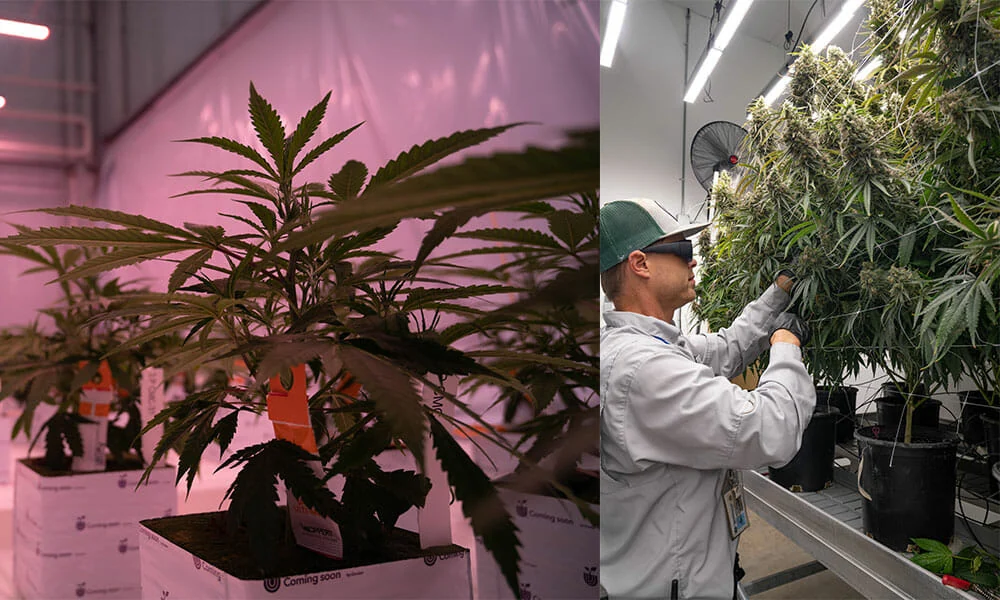
El cannabis es una planta única para estudiar desde una perspectiva fotobiológica, ya que puede absorber más luz que la mayoría de los cultivos comerciales sin sufrir prácticamente ningún efecto adverso. De hecho, dado que el cannabis produce más de sus valiosos productos cuando se le lleva al límite, nuestro equipo ha presentado recientemente una serie de ideas revolucionarias en un seminario web sobre el impacto de los espectros en la producción de cannabis en interior y en invernadero.
En colaboración con Wageningen University & Research y Compassionate Cultivation, Fluence se enorgullece de anunciar los resultados de una serie de estudios de investigación pioneros en fotobiología que analizan cómo los espectros de luz afectan al crecimiento y desarrollo del cannabis. Estos estudios son los primeros de su tipo y aportan información clave para los cultivadores comerciales de cannabis que buscan maximizar la producción, mejorar la calidad del producto y optimizar la eficiencia en sus explotaciones.
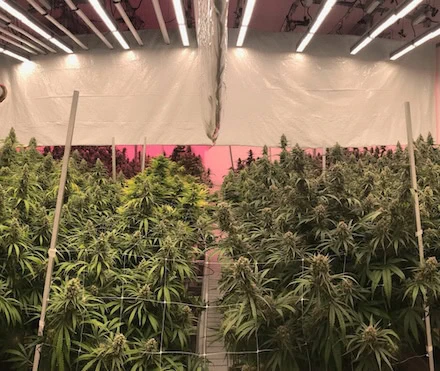
Desvelar los secretos de la fotobiología del cannabis
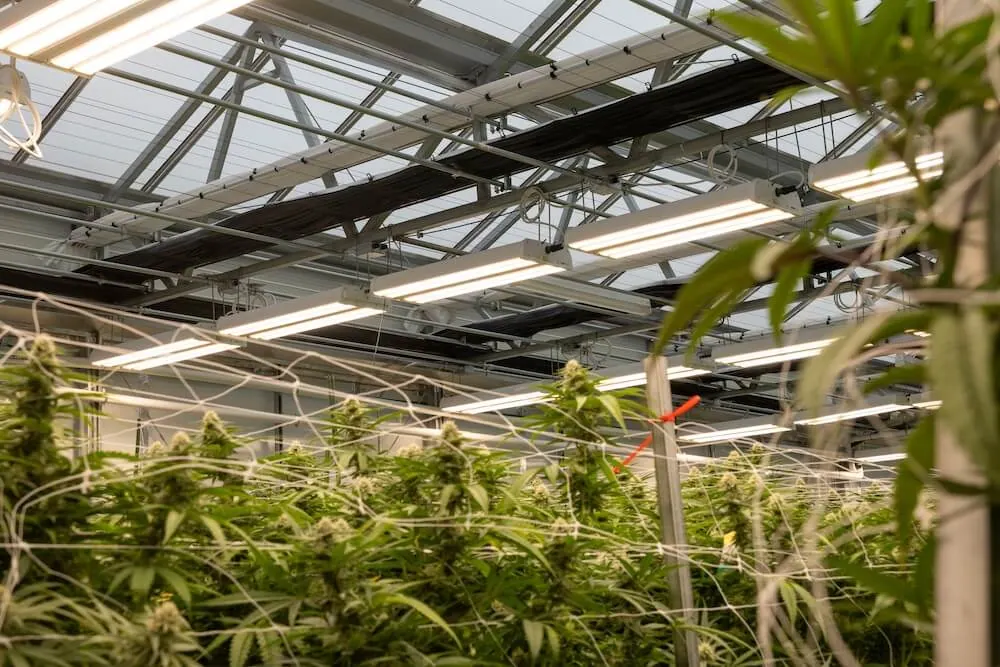
El cannabis es un cultivo de gran valor en la agricultura comercial, pero actualmente cuenta con muy poca documentación científica que sirva de guía para su comercialización. Por este motivo, el equipo de investigación de Fluence se ha centrado en descubrir conocimientos sobre el cannabis que puedan aplicarse de forma inmediata. La investigación se llevó a cabo en dos estudios centrados en cómo se puede utilizar la iluminación para potenciar aún más las características deseables del cannabis en entornos comerciales, tanto en invernaderos como en cultivos de interior.
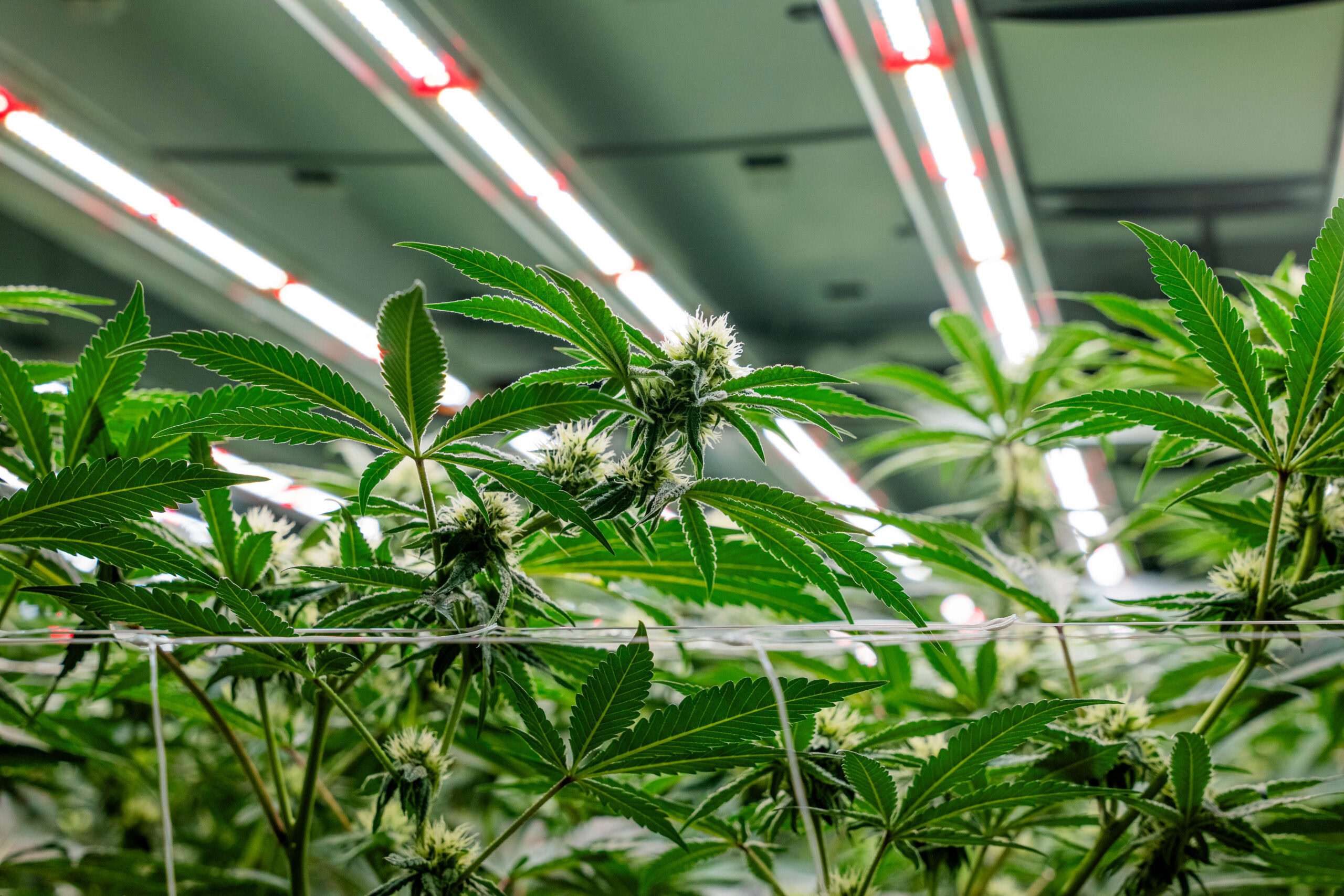
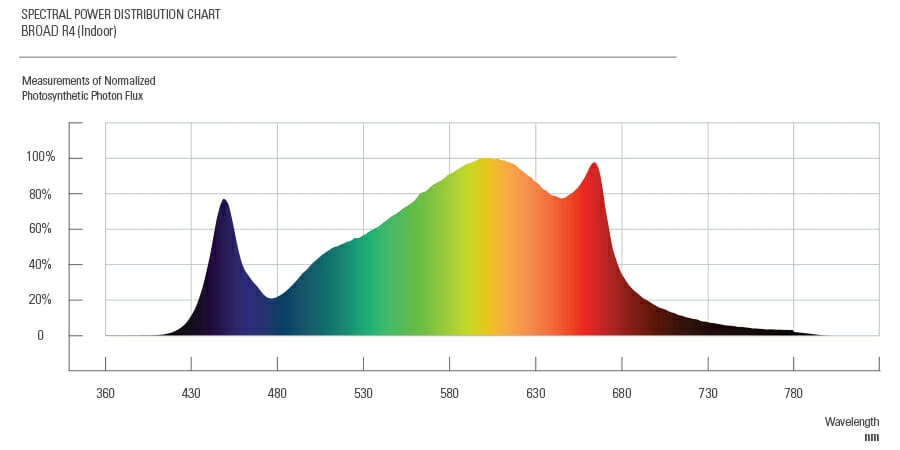
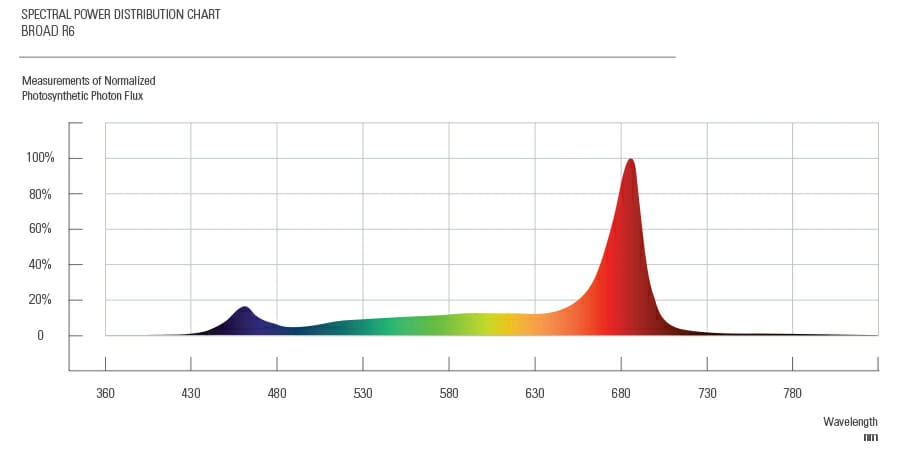
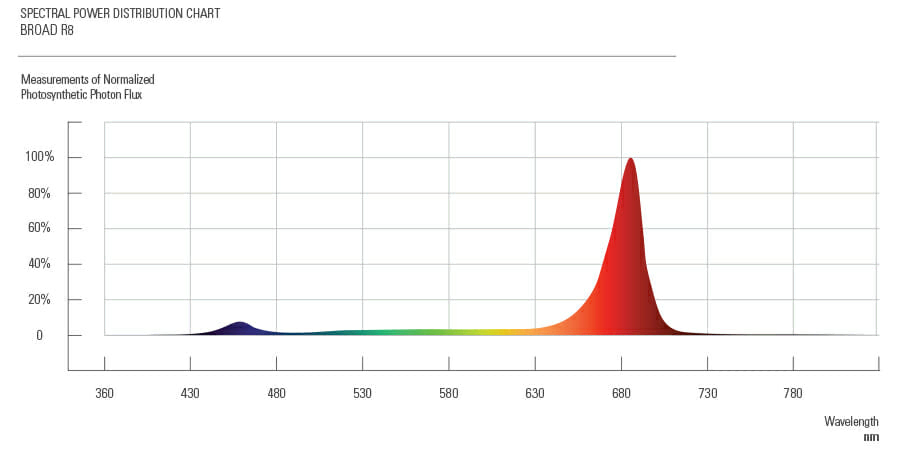
Cada experimento se diseñó cuidadosamente para examinar los efectos de la luz blanca de amplio espectro, la luz rosa de amplio espectro y la luz roja/azul de banda estrecha utilizadas en la serie VYPR 3p. Cada tratamiento lumínico presenta una composición espectral distinta. El objetivo de examinar cada uno de estos tratamientos es comprender mejor qué espectros de luz son los más adecuados para los correspondientes entornos de invernadero o de interior en el caso del cannabis de tipo I (con alto contenido en THC), el cannabis de tipo III (con alto contenido en CBD) y el cannabis de tipo II (con un equilibrio entre THC y CBD).
Figura 1: Espectros de luz superior de fluencia utilizados en estudios de investigación. Haga clic para ampliar.
Gracias a estos estudios, Fluence ha podido identificar ocho conclusiones clave sobre cómo influir en el desarrollo del cannabis que, si se aplican correctamente, pueden tener un profundo impacto en la producción comercial de esta planta:
-
-
-

Figura 2: Impacto de la luz roja en la producción de terpenos En primer lugar, Fluence verificó que en algunos cultivares, un menor porcentaje de luz roja se correlaciona con un aumento de las concentraciones de cannabinoides.
- Y lo que es aún más interesante, la luz roja puede utilizarse para manipular las proporciones de terpenos en el cannabis (véase la Figura 2).
- A bajas intensidades de luz suplementaria en un invernadero, todos los espectros Fluence probados alcanzan rendimientos comparables.
- En un ambiente interior -donde las fuentes de luz emiten a intensidades más elevadas- los espectros Broad White R4 y R8 dieron mejores resultados que el R6.
- En interiores, el rendimiento de R4 fue hasta un 17% superior al de la siguiente mejor solución espectral en determinados cultivares de cannabis de tipo I con THC elevado.
- En interiores, el R4 produjo sistemáticamente mayores rendimientos y tiene la ventaja añadida de no provocar fotoblanqueo, mientras que los espectros como el R8, que tienen una fracción considerablemente mayor de luz roja, inducen fotoblanqueo.
- En ambos tipos de entornos, la sensibilidad del espectro depende del cultivar.
- Por último, al aplicar estos conocimientos al entorno de un cultivador, la iluminación R4 y R8 puede utilizarse para aumentar significativamente el margen bruto estimado del cultivador.
-
-

Estos conocimientos son muy significativos porque pueden ser aprovechados inmediatamente por los cultivadores que buscan producir efectos químicos y morfológicos específicos en sus cultivos de cannabis. En ambos estudios, Fluence fue capaz de validar el hecho de que los espectros de luz pueden tener un impacto significativo en los cultivos de cannabis, tanto si se cultivan en interior como en invernadero.
¿Qué significa esto para su cultivo?
Una de las principales ventajas del seminario web fue que los agricultores pudieron plantear sus preguntas en tiempo real y aprender exactamente cómo pueden aprovechar la investigación de Fluence para influir en la respuesta de las plantas y la productividad en sus entornos actuales. A continuación se incluyen algunos ejemplos de preguntas formuladas durante el seminario web:
P: ¿Cuál es el espectro adecuado para mis cultivos de cannabis?
R: Esto depende en gran medida de tus objetivos de cultivo. Tal y como demuestran los resultados anteriores, la elección del espectro influye, en mayor o menor medida, en los cannabinoides, los terpenos y el rendimiento. Tanto si quieres vender tus cosechas en forma de flor como de extracto, Fluence puede ayudarte a determinar los espectros adecuados para sacar el máximo partido a tu inversión en iluminación.
P: ¿Debería utilizar iluminación UV o de infrarrojo lejano?
R: Aunque existe un gran interés fuera de PAR, hay una clara idea errónea sobre el valor de estas fuentes de luz y su impacto en el rendimiento o la composición química de las plantas. La luz del rojo lejano es buena para provocar una respuesta de evitación de la sombra, y hace que las plantas de cannabis desarrollen una copa más amplia y se estiren, lo que puede ser beneficioso para variedades con un follaje denso. El equipo de investigación de Fluence abordará este tema con más detalle en un próximo seminario web.
P: ¿Qué diferencias hay en la morfología de las plantas entre unos espectros y otros?
R: En entornos de interior, no se observaron signos apreciables de estiramiento. Sin embargo, en el invernadero, se produjo una expansión significativa de la copa bajo el tratamiento de luz R8. Nuestra hipótesis de trabajo es que una menor densidad de plantación en el invernadero permitió a las plantas extenderse y estirarse más en ese estudio. En el estudio de interior, también se observó fotoblanqueo bajo espectros que contenían niveles más altos de luz roja, lo que afectó negativamente al valor de mercado de los cogollos cosechados.
P: ¿Cuál es el nivel de luz adecuado para los cultivos de cannabis en mi región?
R: En este estudio se utilizó una PPFD de 480-500 en el entorno del invernadero y una PPFD de 1.100 en el entorno interior. Hemos observado que muchos productores superan con éxito estos valores de luz, pero la tolerancia a una alta intensidad luminosa puede depender de la variedad cultivada. Si está considerando utilizar iluminación suplementaria en un invernadero, siempre es mejor medir la transmisividad de su invernadero y consultar con un especialista de Fluence para desarrollar una estrategia de iluminación que le permita alcanzar el PPFD deseado en función de su DLI anual.
Durante el seminario web también se abordaron otras cuestiones, como las razones por las que se produce el fotoblanqueo, la importancia de las mediciones de DLI, cómo afecta la luz a la morfología de las plantas y un análisis en profundidad de cómo se llevó a cabo cada experimento.
Si te interesa obtener más información sobre la investigación de Fluence o si deseas acceder al seminario web, ponte en contacto directamente con un representante comercial de Fluence.
Si deseas conocer más información sobre estudios de investigación y buenas prácticas que puedan ser relevantes para tu empresa, te animamos a que sigas también nuestra serie de seminarios web, que se celebra de forma continua.