Over the past several years, one electrical topic has quietly become a source of confusion, delays, and unexpected cost for cannabis cultivation facilities: GFCI requirements.
I spend much of my time working at the intersection of lighting systems, electrical infrastructure, and real-world cultivation environments. What I’ve seen repeatedly is that many growers run into GFCI-related issues not because they ignore safety or best practices, but because electrical codes have evolved faster than awareness across the industry.
Today, understanding how and why ground-fault protection applies to horticulture environments is essential for anyone designing, expanding, or retrofitting a cannabis facility.
What GFCI Really Means—and Why It Matters in Cultivation
Most people associate GFCI (Ground-Fault Circuit Interrupter) protection with kitchens, bathrooms, or outdoor outlets. Fundamentally, GFCI technology is designed to detect abnormal current paths—often caused by moisture or unintended contact—and quickly shut off power to protect people, property, and to reduce fire risk. However, these conditions are all quite common in cultivation as well.
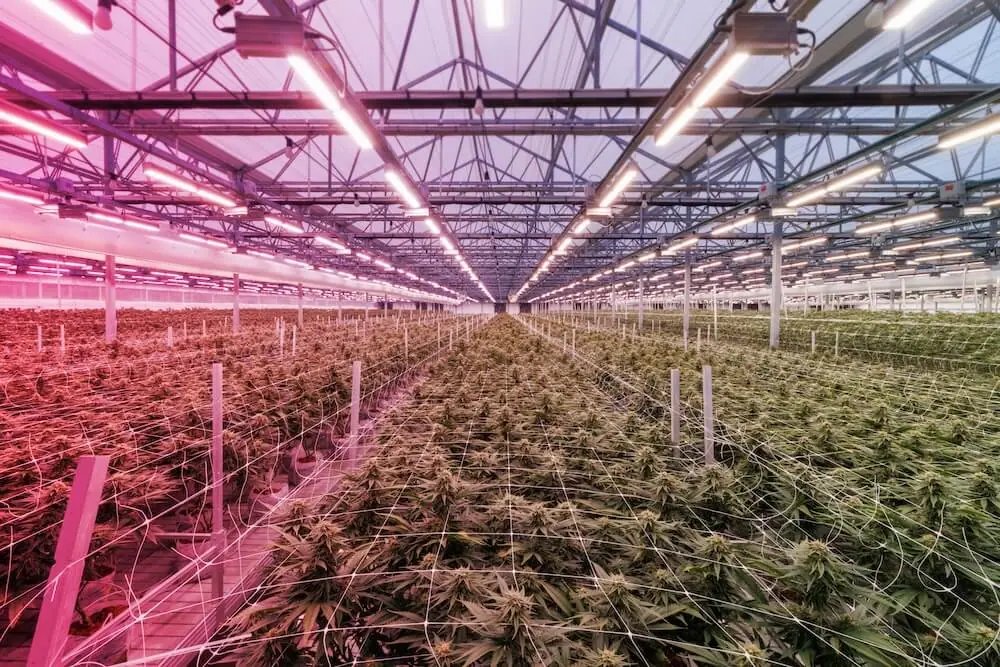
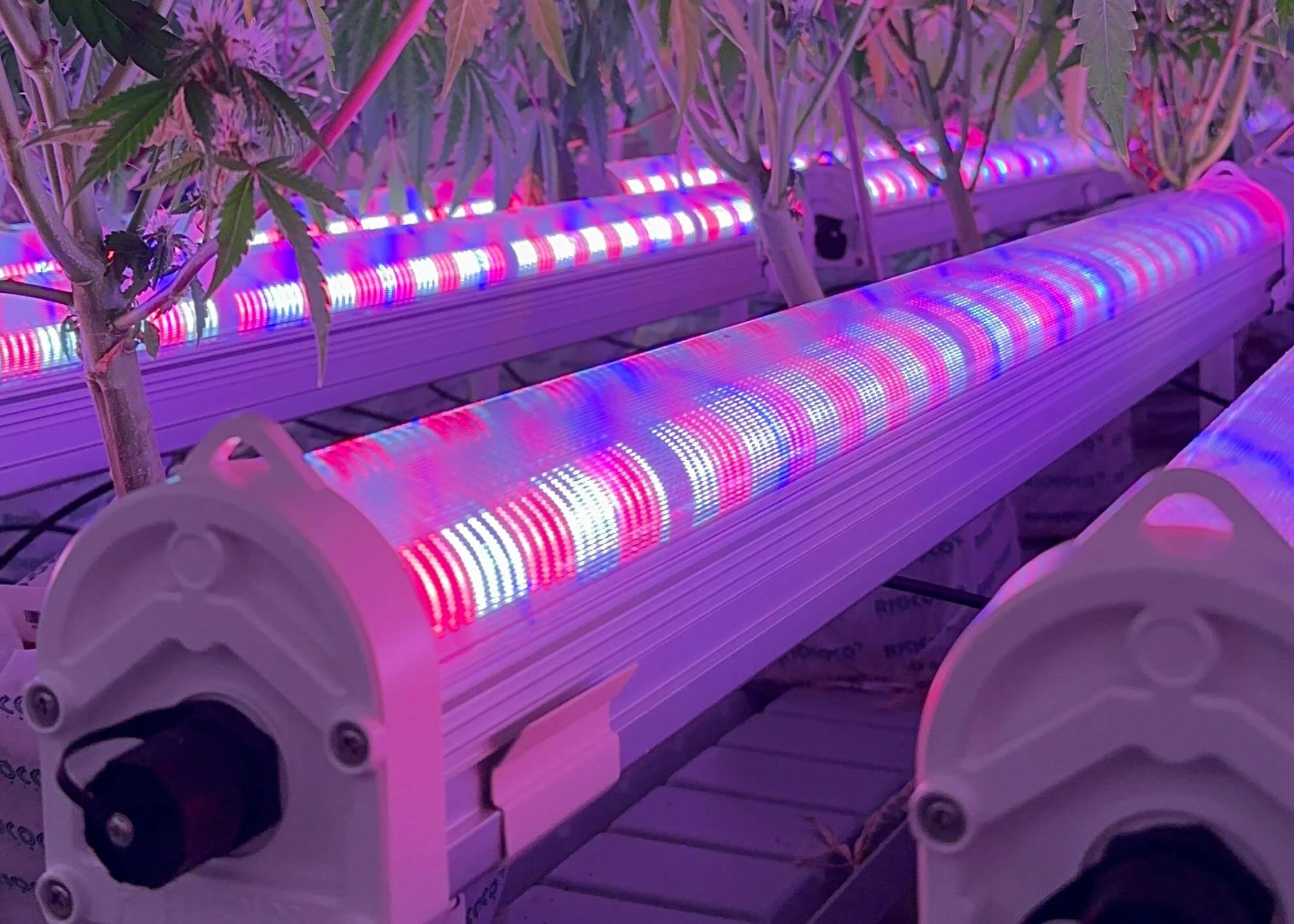
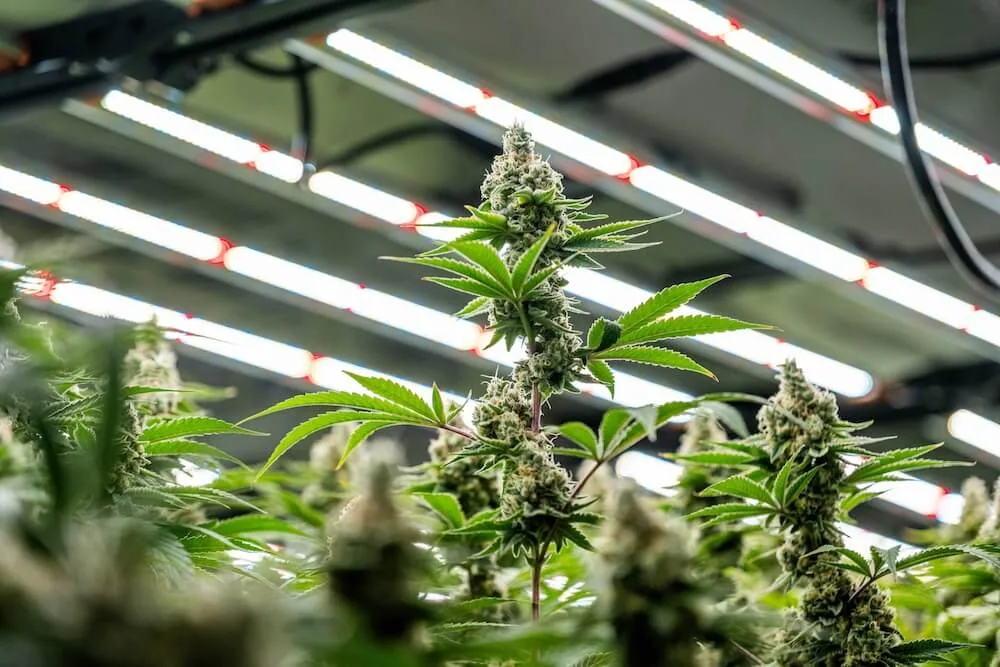
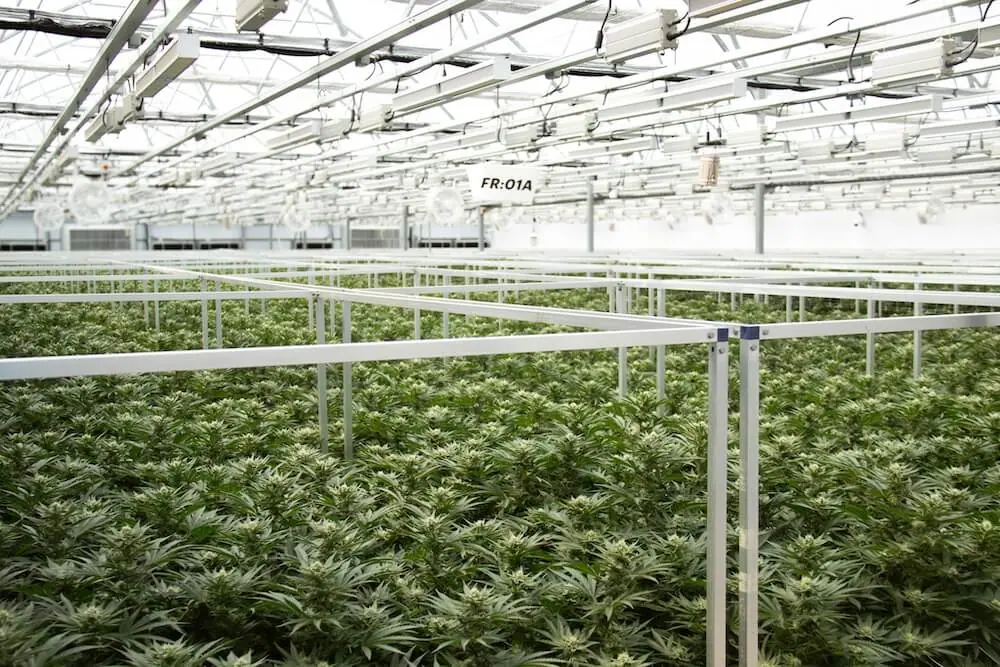
Grow rooms are inherently damp environments. Irrigation, misting, washdowns, and elevated humidity often place electrical equipment in close proximity to moisture. At the same time, cultivation staff regularly work around lighting systems, particularly in multi-tier environments where luminaires are within reach. Together, these factors create a risk profile that looks very different from typical commercial or industrial spaces.
This reality is what prompted updates to the electrical code affecting horticulture lighting.
The NEC Change That Caught the Industry Off Guard
In 2020, the National Electrical Code (NEC) introduced Section 410.184, which requires horticultural luminaires to be connected to GFCI-protected circuits. The intent was clear: improve personnel safety and reduce fire risk in wet environments.
Where things became complicated for growers was how these changes were rolled out and adopted.
Electrical code updates are implemented state by state—and in some cases, county by county. Some jurisdictions adopted the 2020 NEC quickly, while others lagged by several years. As a result, growers operating in multiple locations or expanding existing facilities often encountered new requirements mid-project.
Once a permit is pulled, inspections are typically conducted against the code version adopted at that time—not necessarily the one in effect when a facility was originally designed. That disconnect has led to failed inspections, redesigns, and costly project delays across the industry.
Where Lighting and GFCI Interact in Unexpected Ways
One of the most common challenges growers encounter isn’t a disagreement with the need for protection—it’s unexpected circuit tripping.
GFCI devices are intentionally sensitive. They are designed to respond quickly to very small imbalances in current. Modern cultivation facilities, however, often use many luminaires on a single circuit—particularly in vegetative rooms, propagation areas, and under-canopy installations where individual luminaires draw relatively low power.
When many devices share a circuit, electrical behavior that is normal at the individual luminaire level can become cumulative. From the grower’s perspective, this may look like a lighting reliability issue. From the electrical system’s perspective, it’s a protective response working as intended.
The challenge is that once a facility is built, correcting these issues can be disruptive and expensive. In many cases, circuits must be split or reworked after the fact—an outcome no operator wants to face after installation.
Why Early Electrical Coordination Is Critical
Nearly every significant GFCI-related issue I’ve encountered could have been mitigated earlier in the design process.
That starts with coordination between growers, electrical designers, installing electricians, and lighting partners before construction begins. It becomes even more important when standardized facility designs or out-of-state engineering teams are involved, where local code adoption and enforcement may differ from project to project.
Authorities Having Jurisdiction (AHJs) are inspectors, not consultants. Their role is to enforce code compliance, not to guide design decisions. Waiting until inspection to address GFCI requirements often means reacting under pressure—sometimes with limited options.
The most successful projects treat electrical compliance as a foundational design input, not a final hurdle.
How Fluence Supports Growers Navigating GFCI Requirements
At Fluence, our involvement often begins well before lights are installed. GFCI requirements sit at the intersection of electrical code, facility design, and cultivation practices—and those conversations are most effective when they happen early.
Our application engineering team regularly engages with growers, electrical designers, and installing electricians during the planning and pre-wire phases of a project. This early collaboration helps identify applicable code requirements, clarify how local adoption of NEC standards may impact a specific facility, and surface potential challenges before they become costly change orders or inspection delays.
Because code interpretation and enforcement can vary by jurisdiction, Fluence also helps growers frame the right questions for their design teams and local authorities. Whether a project involves a new build, an expansion, or a retrofit, aligning on expectations upfront reduces uncertainty and helps avoid surprises later in the process.
In practice, this approach allows lighting systems, electrical infrastructure, and compliance requirements to move forward together—supporting smoother project execution and helping facilities stay focused on cultivation rather than troubleshooting.
What Growers Should Be Thinking About Now
GFCI requirements are not unique to cannabis, and they are likely to become more relevant over time. They reflect a broader emphasis on safety in environments where water, electricity, and personnel routinely intersect.
For growers planning new facilities or expansions, a few early questions can make a meaningful difference:
- Which NEC version is currently adopted locally?
- How are GFCI requirements interpreted by inspectors in this jurisdiction?
- How many luminaires will be placed on each circuit?
- When should electrical designers, installers, and lighting experts be aligned?
Addressing these questions early helps reduce risk, protect project timelines, and create a clearer path from design through inspection.