The cannabis industry is entering 2026 with a very different mindset than it had just a few years ago. Capital is tighter. Margins are thinner. And the growers who are winning aren’t chasing the newest gadget or the cheapest solution—they’re taking a harder look at the fundamentals that actually drive yield, quality, and consistency.
Across markets, I keep seeing one common theme: successful growers are reassessing the systems they already have and asking better questions about how those systems work together. Lighting, environmental control, data, and operational strategy are no longer siloed decisions. They’re interconnected—and when one is misaligned, performance suffers.
During my work this past year, I have identified the 10 things smart cannabis growers are re-evaluating for 2026—and why each one matters more now than ever.
1. Actual Light Output—Not Fixture Age or Spec Sheets
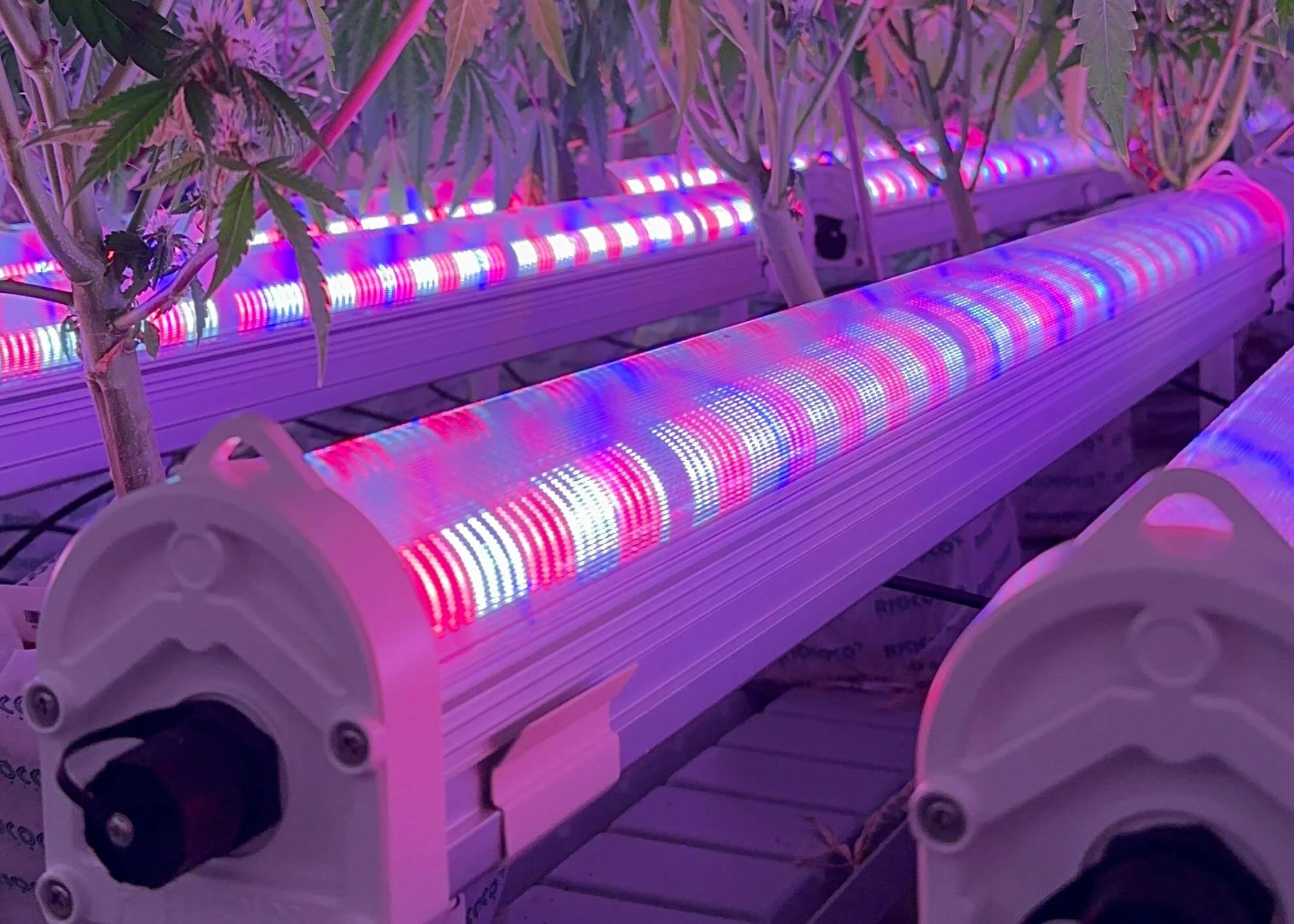
Many growers are still running LEDs that are seven years and older. While LEDs last longer than HPS, all lighting sources will see some degradation in intensity over time. That loss often goes unnoticed until yields or consistency start slipping.
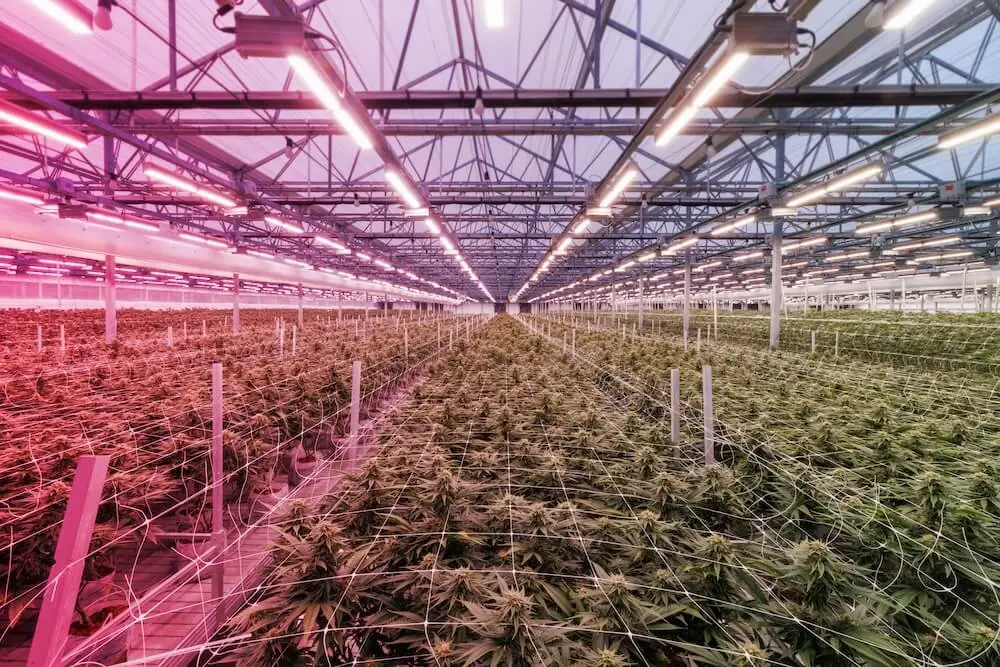
Savvy growers are re-measuring PPFD across their rooms to understand what their plants are receiving today, not what the fixture delivered when it was new. This data-driven approach allows operators to identify underperforming zones, make targeted upgrades, and avoid unnecessary full-room replacements.
2. Light Uniformity as a Yield Multiplier
Average PPFD numbers across the canopy or from a single point only tell part of the story. Uniformity across the canopy is even more critical—and sadly more often overlooked.
Poor uniformity leads to uneven plant development, inconsistent flowering, and variability in quality and yield across a room. In contrast, consistent uniformity supports synchronized growth, predictable harvests, and more consistent finished product.
In 2026, uniformity is becoming a competitive differentiator—not just a technical metric.
3. Using Spectrum as a Strategy, Not a Gimmick
Tunable lighting is becoming more commonplace, but it’s not always more effective. Too often, spectrum adjustments are treated as experimental tweaks rather than part of a broader cultivation strategy.
Smart growers are stepping back and asking a more important question: What exactly is the purpose of this spectrum choice? Are the claims valid and do they align with my goals? Whether the goal is morphology control, flowering behavior, consistency across cultivars, or OpEx savings, the spectrum growers use needs to be applied intentionally—grounded in research, not novelty.
The outcome should lead to fewer knobs being turned resulting in more repeatable outcomes.
4. Re-Evaluating Under-Canopy Lighting
As pressure increases to improve yield without expanding your footprint, under-canopy lighting is on the evaluation list.
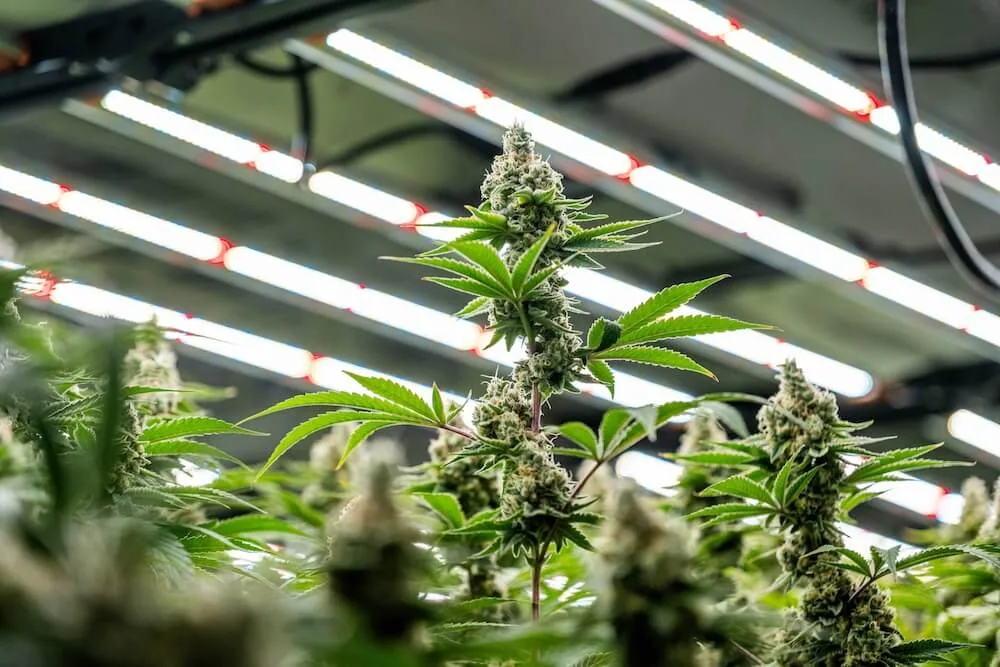
When applied correctly, under-canopy lighting can improve lower-canopy productivity and overall plant efficiency. But it’s not a universal solution. Smart growers are reassessing when, where, and how under-canopy lighting makes sense within their specific genetics, spacing, and airflow strategies.
The key isn’t adoption—it’s proper integration.
5. Treating Lighting, HVAC, and Airflow as One System
Lighting decisions don’t stop at photons. They affect heat load, transpiration, airflow patterns, and HVAC demand.
Growers who evaluate lighting in isolation often create downstream issues—hot spots, humidity imbalances, or airflow inefficiencies. The most successful facilities in 2026 are taking a system-level view, aligning lighting layout, airflow design, and environmental control to work together rather than compete.
This alignment leads to more stable environments and fewer surprises mid-cycle.
6. Retrofitting Existing Facilities Before Building New Ones
With capital constraints still shaping the industry, many operators are choosing to upgrade what they already have instead of starting from scratch.
Strategic retrofits—especially lighting upgrades—can dramatically improve performance without the risk, cost, and timeline of new construction. Smart growers are prioritizing changes that deliver measurable ROI: improved uniformity, better efficiency, and tighter environmental control.
In many cases, the most productive facility isn’t the newest—it’s the best optimized. That principle sits at the core of effective cannabis facility optimization.
7. Automating for Consistency, Not Labor Reduction
Automation is often framed as a way to reduce labor costs. But forward-thinking growers see its real value elsewhere: consistency.
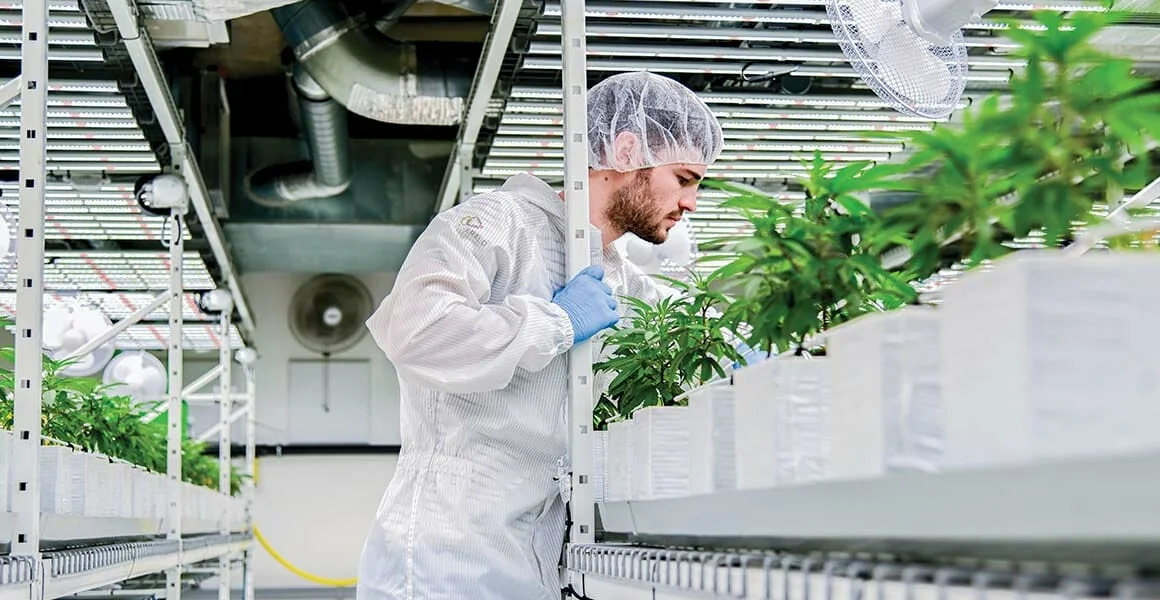
By automating lighting schedules, environmental setpoints, and system responses, growers reduce human error and improve repeatability from run to run. This doesn’t replace grower expertise—it supports it, freeing teams to focus on observation, decision-making, and plant health rather than constant manual adjustments.
8. Using AI to Interpret Data—Not Replace Grower Expertise
AI is already present in cultivation, whether growers realize it or not. From trend analysis to predictive alerts, AI-driven tools are helping operators make sense of increasingly complex datasets.
The smartest growers are using AI as an interpreter, not an authority. AI helps surface patterns, flag anomalies, and support decision-making—but final calls remain grounded in human experience and cultivation knowledge.
In 2026, AI is less about automation and more about insight.
9. Designing Facilities for Regulatory and Market Flexibility
Regulatory landscapes continue to evolve, including the recent reclassification of cannabis from Schedule I to Schedule III. At the same time, consumer expectations around quality, consistency, and transparency are rising.
Growers are re-evaluating whether their facilities are flexible enough to adapt. Modular lighting layouts, scalable controls, and robust data capture make it easier to adjust production strategies without major overhauls.
Future-ready facilities aren’t built for one scenario—they’re built to adapt.
10. Treating Lighting as a Competitive Weapon, Not a Commodity
Perhaps the biggest shift we’re seeing is one that’s philosophical.
Lighting is no longer viewed as just another line item. Smart growers are increasingly recognizing it as one of the most powerful—and underleveraged—tools in cultivation. When lighting decisions are aligned with business goals such as yield, quality, and consistency, the impact extends far beyond the grow room.
In 2026, the growers who outperform won’t be the ones chasing the cheapest fixture. They’ll be the ones using lighting strategically that supports their long-term success.
Looking Ahead
The next phase of cannabis cultivation won’t be defined by flashy technology or bold claims. It will be shaped by growers who ask better questions, measure what matters, and optimize the systems they already rely on every day.
Re-evaluating these ten areas isn’t about doing more—it’s about doing things smarter. And for growers committed to a stronger cannabis cultivation strategy, that mindset will matter more than ever in 2026.