La industria del cannabis está evolucionando a un ritmo sin precedentes, y con esa evolución llega la necesidad de que los cultivadores perfeccionen sus operaciones para lograr eficiencia, sostenibilidad y rentabilidad. En el stand de Fluence, el Dr. David Hawley, científico principal de Fluence, se sentó con Travis Higgenbotham, fundador de Due Diligence Horticulture, para hablar de cómo los cultivadores de cannabis pueden adaptarse a las cambiantes demandas del mercado y a las presiones económicas. He aquí algunos puntos clave de su conversación.
Optimizar la rentabilidad: Los cuatro pilares del cultivo
With a background in traditional horticulture, Higgenbotham brings a unique perspective to cannabis cultivation, emphasizing the importance of efficiency. He highlights four key pillars that growers must consider: unit time, unit area, unit yield, and unit energy.
- Tiempo unitario: Reducir el tiempo necesario para los ciclos de cultivo puede aumentar el número de cosechas al año, mejorando la eficiencia y la rentabilidad. Por ejemplo, acortar los ciclos de floración de 10 semanas a 7,5 semanas manteniendo el rendimiento permite a los cultivadores maximizar la producción por pie cuadrado anualmente.
- Superficie unitaria: Maximizar el uso del espacio de cultivo disponible ayuda a los cultivadores a producir más por metro cuadrado, mejorando la producción sin necesidad de ampliar las instalaciones. La gestión eficiente del espacio es clave para reducir el despilfarro de recursos.
- Rendimiento unitario: La aplicación de técnicas para aumentar el rendimiento por planta, como la optimización de la exposición a la luz y las estrategias nutricionales, garantiza una mayor rentabilidad. La planificación estratégica de la densidad y el cuidado de las plantas puede tener un impacto significativo en la producción.
- Energía unitaria: Gestionar eficientemente el consumo de energía, sobre todo teniendo en cuenta los elevados costes en algunas regiones, ayuda a reducir los gastos operativos y mejorar la sostenibilidad. Según Higgenbotham, "tenemos unas instalaciones en Maryland donde el coste por kilovatio hora es de seis céntimos, y luego tenemos unas instalaciones en Desert Hot Springs, California, donde puede llegar hasta los 85 céntimos. La eficiencia energética es clave para sobrevivir en esta industria".
Equilibrando estos cuatro factores, los agricultores pueden aumentar la productividad manteniendo los costes bajo control.
El papel de la tecnología y el capital en el éxito del cultivo
As automation and AI begin to play a larger role in traditional agriculture, cannabis cultivators are slowly exploring these innovations. However, Higgenbotham warns that automation is not a silver bullet just yet.
“In cannabis, unlike in other traditional horticultural markets, we don’t yet have scale on our side,” he notes. “Most production facilities don’t have the budget to invest in automation like transplanting lines or palletized bench systems, nor do they have the scale to benefit from those investments.”
Instead, he advises cultivators to focus on building predictable, consistent perpetual growing schedules. By tightening operations, growers can reduce downtime, improve labor efficiency, and increase output.

El factor iluminación: Una fruta madura para el retorno de la inversión
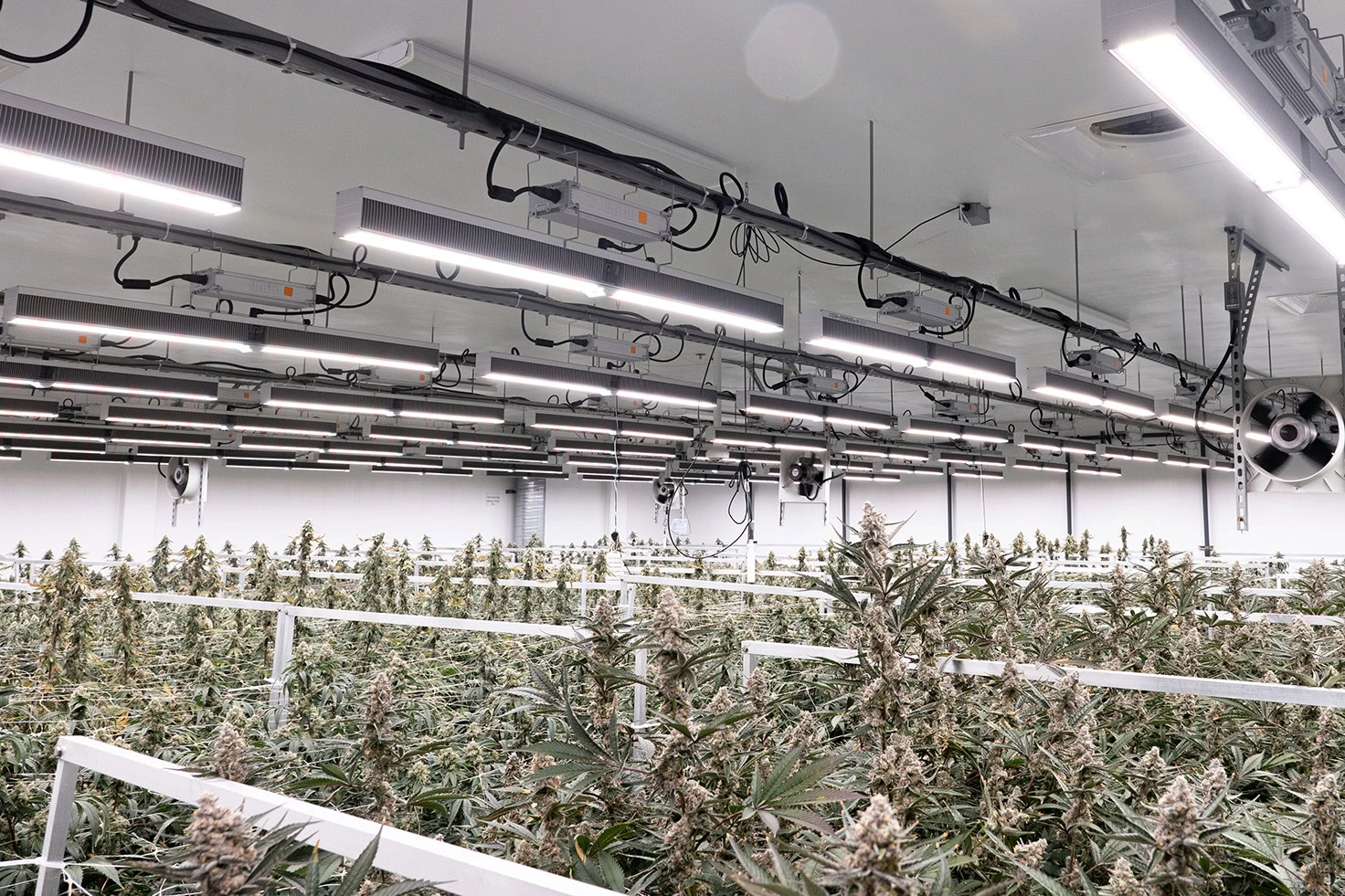
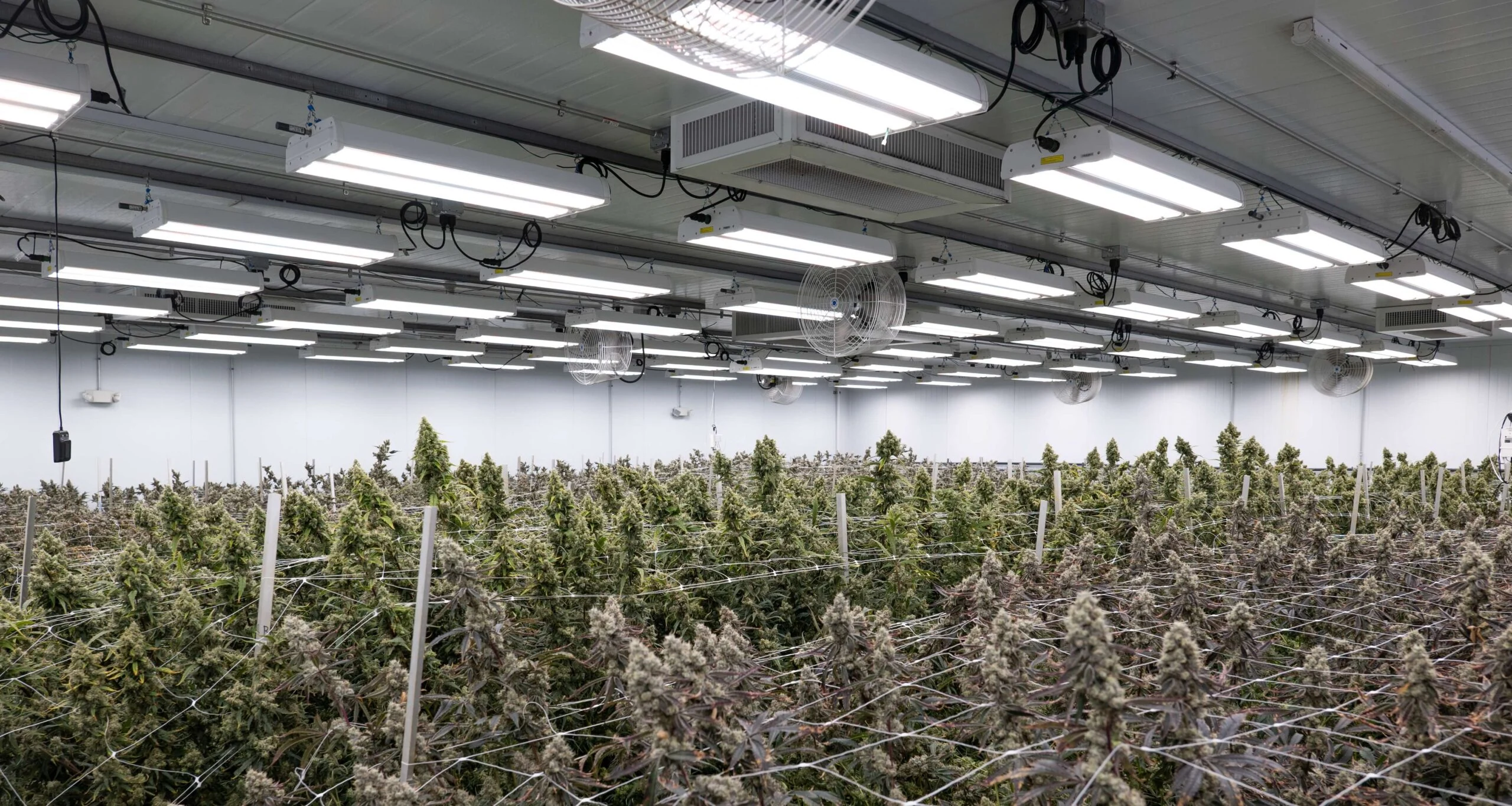
Lighting remains one of the most critical and costly aspects of cannabis cultivation. Many facilities still use outdated HPS systems, which limit their potential yield and drive-up operational expenses.
Higgenbotham emphasizes the financial impact of transitioning to LED: “If a facility is tapped on electrical capacity, they need to select a lighting solution that optimizes the use of that electricity. With the right technology, 1% more light equals 1% more yield—it wins every time.”
Hawley agrees, reinforcing the importance of economic considerations when selecting lighting: “For us, we do this ROI analysis and look at the economics before making recommendations. It’s not just about better technology; it’s about making sure it makes financial sense for the grower.”
Reflexiones finales: El futuro del cultivo de cannabis
While cannabis cultivation still has a long way to go before reaching the efficiency levels of traditional crops like tomatoes or lettuce, progress is being made. Genetic advancements, increased use of data-driven crop modeling, and more disciplined business practices are helping growers stay competitive in an unpredictable market.
Higgenbotham sums it up best: “Humans don’t grow plants—the environment we manage grows plants. Cultivators need to focus on infrastructure, efficiency, and cost per pound if they want to survive long-term.”
As the industry matures, those who embrace a data-driven approach, invest wisely in technology, and continuously optimize their operations will be the ones who thrive.