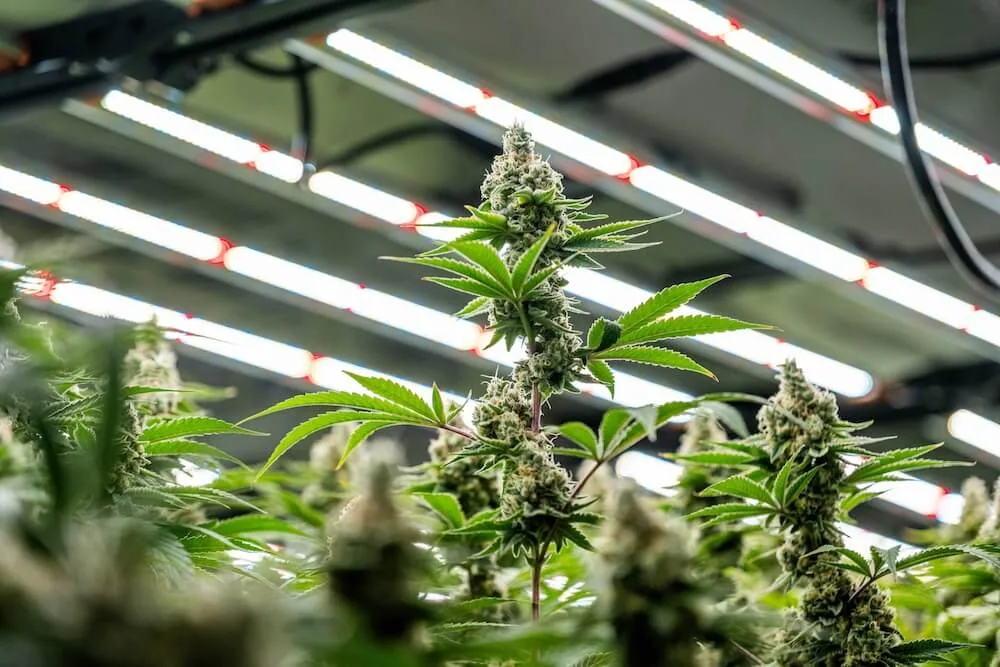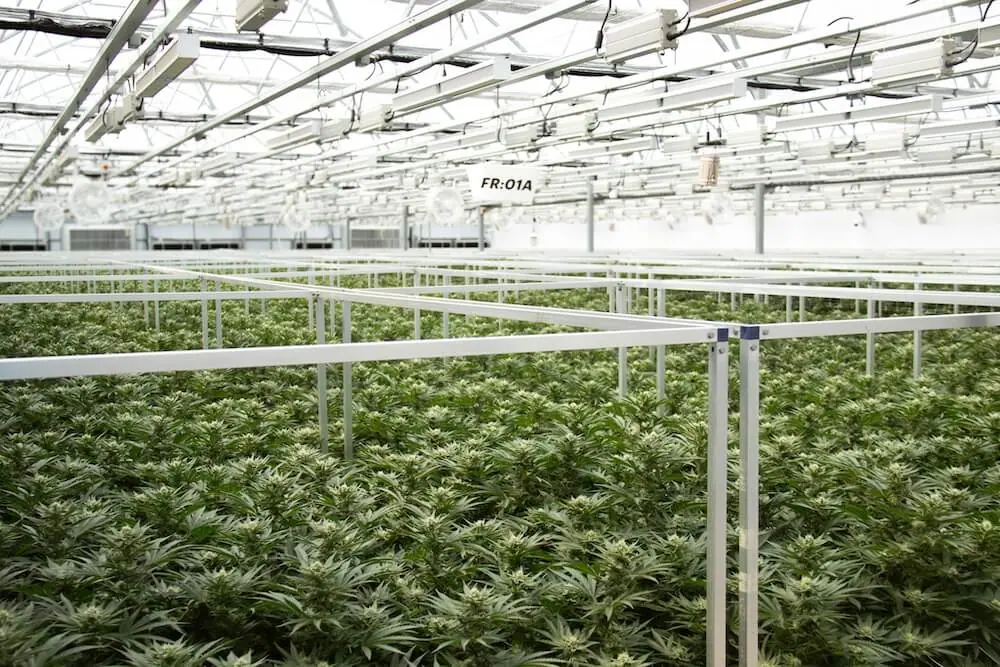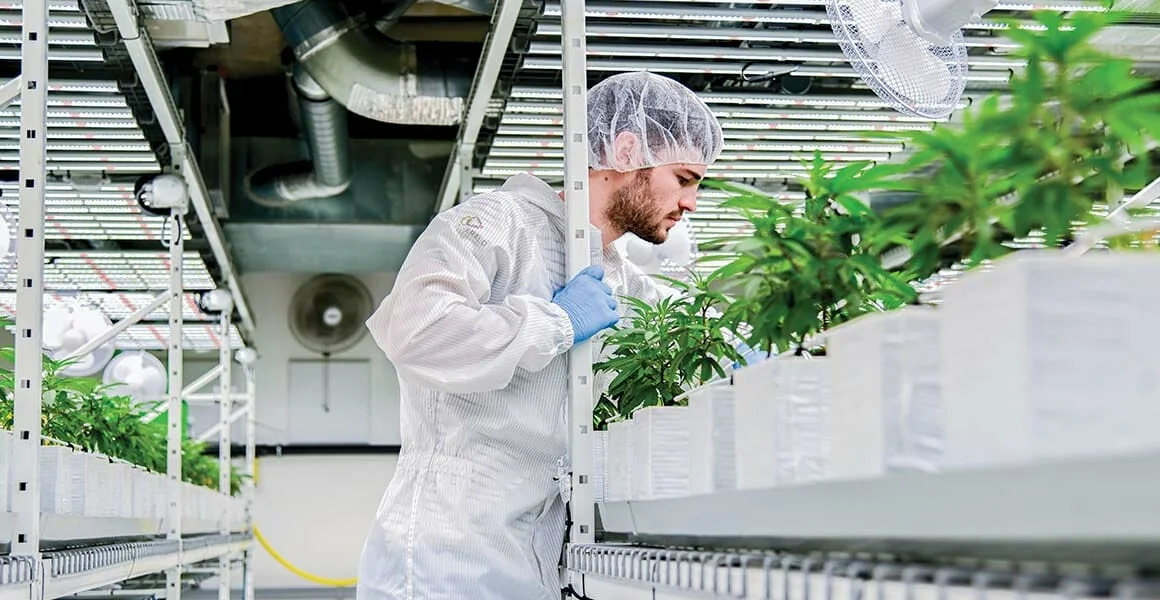
For years, cannabis cultivation strategies have focused on lighting the top of the canopy as effectively as possible. As interest in under canopy lighting for cannabis cultivation continues to grow, more growers are rethinking how light is distributed throughout the plant. Growers pushed higher intensities from overhead fixtures, hoping enough light would penetrate through the plant to support lower bud sites. In reality, dense foliage often means much of the lower canopy remains shaded, producing smaller flowers or material destined for extraction.
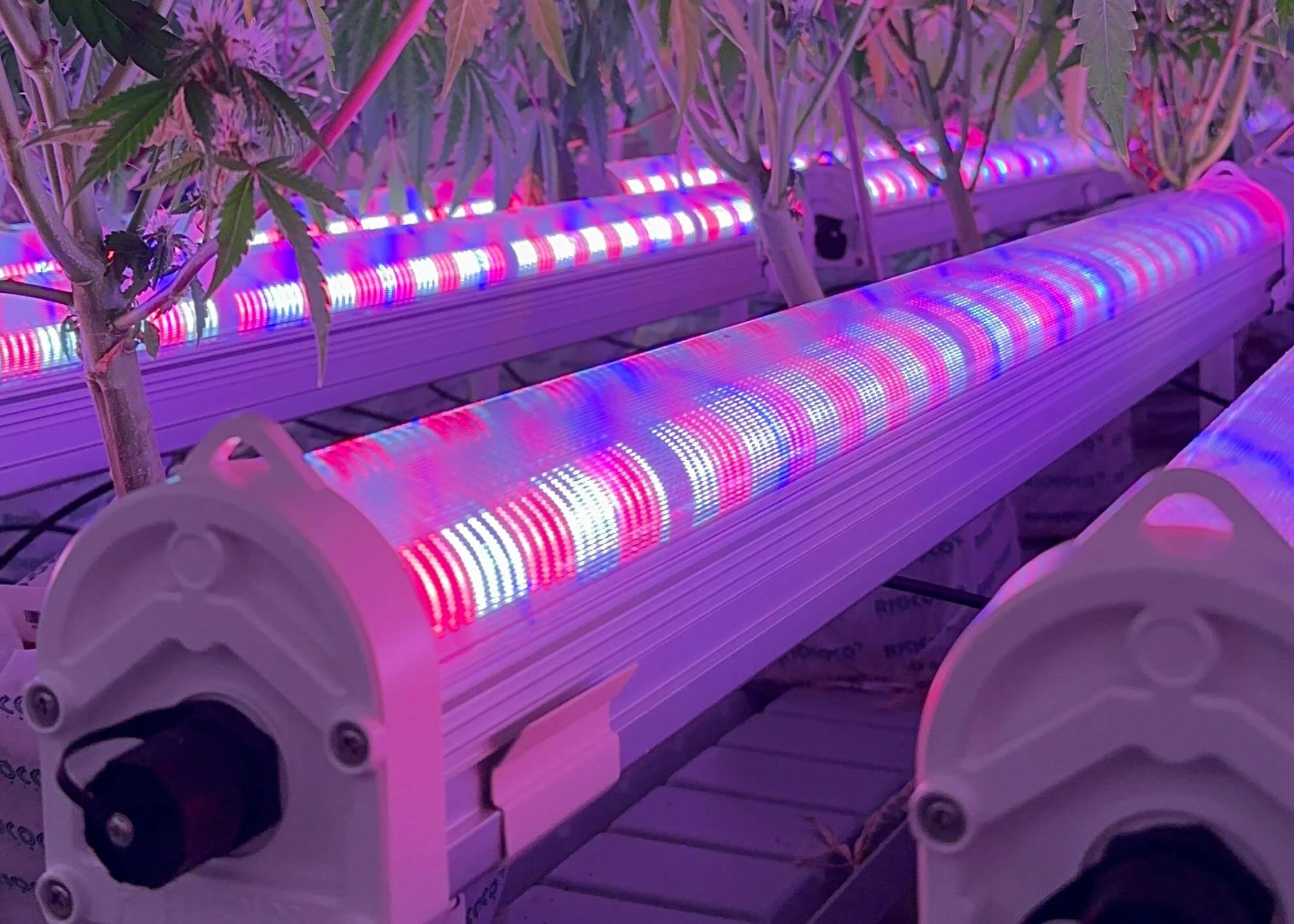
Under canopy lighting is beginning to change that equation. Instead of relying solely on top lighting to penetrate downward, growers are starting to distribute light throughout the plant—illuminating the canopy from both above and below.
In my conversations with commercial cannabis growers across the industry, I’ve seen interest in under canopy lighting increase quickly. One of the reasons is simple: growers talk to each other more than they used to. As more operators share their experiences, under canopy lighting has gained attention as a way to increase yield and improve the consistency of flower production.
At the end of the day, the underlying biology is straightforward. As light levels increase, yield potential increases as well. Fluence research consistently shows that relationship between additional light intensity and higher production levels within certain ranges. When growers add meaningful PPFD to their canopy—especially in environments that were previously under-lit—they can see significant gains in overall yield.
The Real Opportunity: Turning Smalls into Big Buds
One of the biggest reasons growers explore under canopy lighting is the opportunity to shift the economics of their harvest.
Most indoor flower producers are familiar with grading their crop after harvest: premium top buds, mid-grade flower and smaller buds often destined for extraction. Historically, the lower canopy has been the source of many of those smaller flowers.
Under canopy lighting changes that dynamic.
By delivering light directly to lower bud sites, growers can support flower development that would otherwise remain shaded. When deployed properly, that additional light allows the plant to develop more uniform bud structure throughout the canopy.
In practical terms, this means growers can convert material that might have been classified as “smalls” into higher-quality buds. When under canopy lighting is balanced correctly with top lighting and the overall cultivation strategy, the percentage of premium flower in the harvest can increase significantly.
For commercial operators, that shift in flower grading can have a major impact on revenue. Higher percentages of top-quality flower translate directly into higher value per harvest cycle.
Why Under Canopy Lighting Changes How You Grow
One of the first things growers discover after implementing under canopy lighting is that it often requires adjustments to their cultivation practices.
Pruning strategies are a common example. Many growers are accustomed to aggressively removing lower canopy material through lollipopping or similar techniques because those areas historically produced lower-quality flower. When under canopy lighting is introduced, some of that lower growth can become productive.
One of the misunderstandings I see is growers installing under canopy lighting but continuing to prune their plants exactly the same way they did before. In reality, leaving more lower bud sites can allow growers to take full advantage of the additional light being delivered to that part of the canopy.
Timing of the lights also matters. Some growers wait until later in the flowering cycle to activate their under canopy fixtures, but in my experience it’s often better to treat them as part of the overall lighting system from the beginning of flower. I typically recommend starting them early—at lower intensity—and gradually increasing output as the crop develops.
This approach helps support early development of lower bud sites that might otherwise remain underdeveloped.
Environmental Impacts Growers Should Expect
Adding additional light to the canopy affects more than just flower development—it also influences the overall growing environment.
As light intensity increases, the plant’s photosynthetic activity increases as well. That typically leads to higher transpiration rates, meaning plants move more water and nutrients through the system.
In practice, growers often see several environmental changes when implementing under canopy lighting:
- Increased irrigation frequency
- Greater transpiration and humidity generation
- Additional demand for dehumidification systems
- Increased airflow requirements beneath the canopy
Air movement under the canopy becomes especially important. Without proper airflow, microclimates can develop where humidity accumulates around leaves and buds. Good air circulation helps maintain consistent environmental conditions while reducing the risk of mold or moisture-related issues.
These adjustments are typically manageable, but they highlight an important reality: under canopy lighting affects the entire cultivation system, not just the lighting layout.
Installation Planning and Operational Considerations
For growers retrofitting an existing facility, installation planning is an important part of successful under canopy lighting deployment.
One of the most common challenges is electrical infrastructure. Many cultivation facilities were not originally designed with dedicated lighting circuits at the bench level. Adding under canopy fixtures may require electrical upgrades to support the additional lighting load across the room.
Bench configuration and fixture placement also influence lighting design. Depending on plant spacing and cultivation style, fixtures may be installed along the length of the bench or across it. The goal is to provide consistent light distribution to lower bud sites while maintaining accessibility for irrigation and crop management.
Dimming capability is another important feature. Young plants early in the flowering cycle typically benefit from lower light levels, while mature plants can tolerate higher intensities. Having the ability to gradually increase output allows growers to match lighting levels with crop development.
These types of design considerations are especially important when retrofitting existing facilities, where infrastructure limitations may influence how under canopy lighting is deployed.
Where Under Canopy Lighting Is Headed
Today, most growers exploring under canopy lighting are focused on indoor flower production. Indoor environments provide the level of control needed to maximize the benefits of distributing light throughout the canopy.
That said, I also see potential opportunities in greenhouse environments.
In regions with strong natural sunlight, under canopy lighting could be used to supplement light distribution within the canopy rather than relying entirely on traditional top lighting. In some greenhouse designs, growers may even consider using under canopy lighting as part of a hybrid strategy that complements sunlight and improves lower canopy productivity.
Looking ahead, I expect under canopy lighting to become less of a retrofit solution and more of a planned component of lighting system design.
Instead of adding under canopy lighting after the fact, future facilities may be designed with total canopy light distribution in mind—allocating a portion of the lighting strategy to both top and bottom illumination.
As growers continue to optimize yield, quality and production efficiency, distributing light across the entire canopy—rather than focusing only on the top of the plant—may become a more common strategy in commercial cannabis cultivation.