When I talk to first-time license holders, the conversations usually start in the same place. There’s a lot happening at once—facility design, timelines, budgets, equipment decisions—and lighting is one of those areas where they know it matters, but they’re not always sure how to approach it.
Most of the time, the conversation isn’t about choosing a fixture right away. It’s about stepping back and understanding what they’re trying to build, how they want the operation to perform, and how lighting fits into the system they’re building.
Lighting isn’t just another item, it’s one of the few systems that directly influences how the plant grows, how consistent the results are, and how the operation performs over time.
Start with the outcome, not the fixture
One of the most common mistakes I see is growers jumping straight to the question: “What fixture should I use?”
I understand why—it feels like the most immediate decision—but it’s not the right place to start. Before we ever talk about a fixture, I want to understand what kind of operation they’re trying to run. Are they focused on efficiency? Are they trying to maximize quality? Or are they trying to find the right balance between the two?
Just as important, I want to understand what success looks like six months after that first harvest. That answer shapes how the system should be designed.
Lighting is only as strong as the environment around it
Lighting doesn’t operate in isolation. It’s part of a broader system, and I’ve seen situations where growers invest heavily in lighting but don’t have the rest of the environment aligned to support it.
That’s where problems start to show up.
When we’re planning lighting, we’re really looking at how everything works together in synergy—HVAC capacity, airflow, irrigation strategy, and how the canopy is going to be managed. All those factors influence how effective a lighting solution will be.
If those pieces aren’t aligned, even a well-designed lighting system won’t deliver the results the grower is expecting. When they are aligned, everything becomes more predictable and easier to manage.
Precision drives consistency
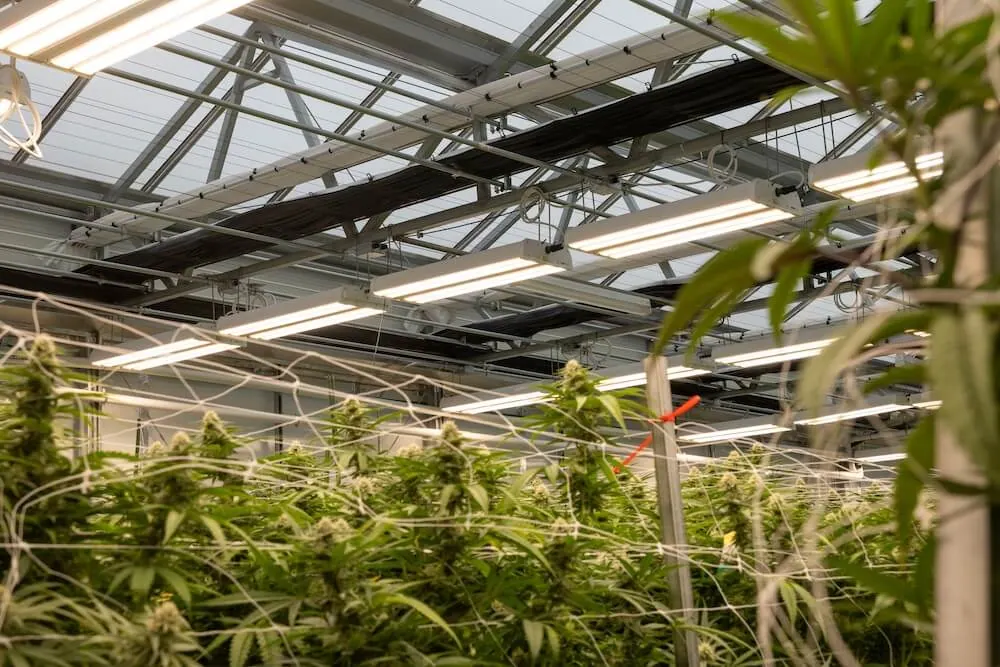
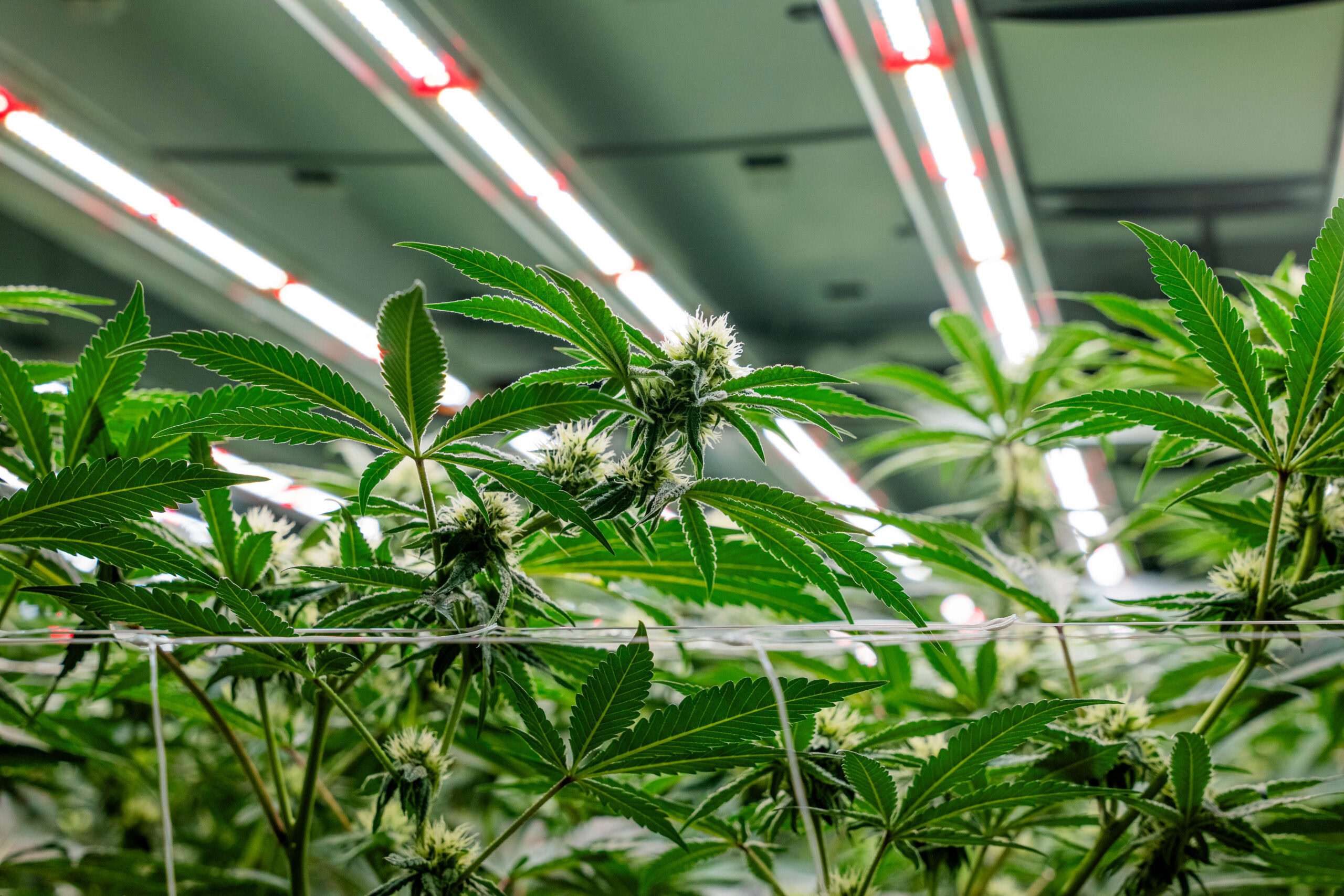
Another misconception I run into is the idea that more light automatically leads to better results. Precision matters more than intensity. What matters is delivering light evenly across the canopy, maintaining consistency day after day, and making adjustments based on how the plants are actually responding.
That’s what creates stability in the grow.
When you rely only on intensity and focus on yield, you can introduce variability that shows later in yield or quality. When you focus on precision and quality, you build consistency—and that’s what allows an operation to scale with confidence.
Design for what comes next
A lot of first-time builds are designed to get up and run as quickly as possible for the purpose of producing revenue for the investors. But one of the things I always encourage growers to think about is what happens after that first run.
What changes once they start learning more about their genetics and the environment? How easy is it to adjust the lighting strategy? Can the system evolve as their operation matures?
The growers who succeed in the long term aren’t the ones who get everything perfect on day one because often things aren’t perfect on day one, but they are the ones who build flexibility into the system so they can adapt quickly and adjust.
Focus on repeatability, not perfection
At the end of the day, the goal isn’t to build a perfect grow on the first try. That’s not realistic, and it’s not necessary.
What growers need is a system they can rely on—something that delivers consistent, predictable results and gives them a foundation to improve on over time.
That’s what I focus on in these conversations. Helping growers build something repeatable, where they understand what’s happening in the room and can make informed decisions as they move forward.
Because once you have that level of consistency, everything else—quality, efficiency, and scale—becomes much easier to manage.
Closing
Every facility is different, and every grower comes in with a different set of goals. But the process tends to follow a similar path.
Start with the outcome. Build around the environment. Focus on precision. And design for what comes next. If you get those pieces right, you’re not just setting up your first harvest—you’re setting up everything that follows.